READING IT
Lines and numbers
Guitar tab has six lines, one for each string, with the high E string at the top. A number is the fret to press; 0 means an open string.
Decode a tabREADING TABLATURE
Tab tells your fingers where to go.
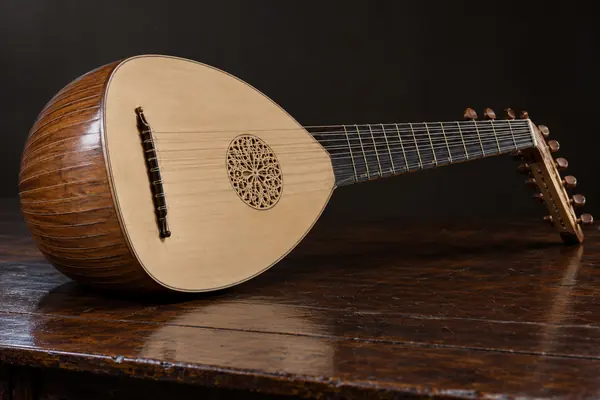
Guitar tablature draws the strings as lines and writes a fret number on each one. It says where to put your fingers rather than which pitch to play, an idea lute players were already using in the Renaissance.
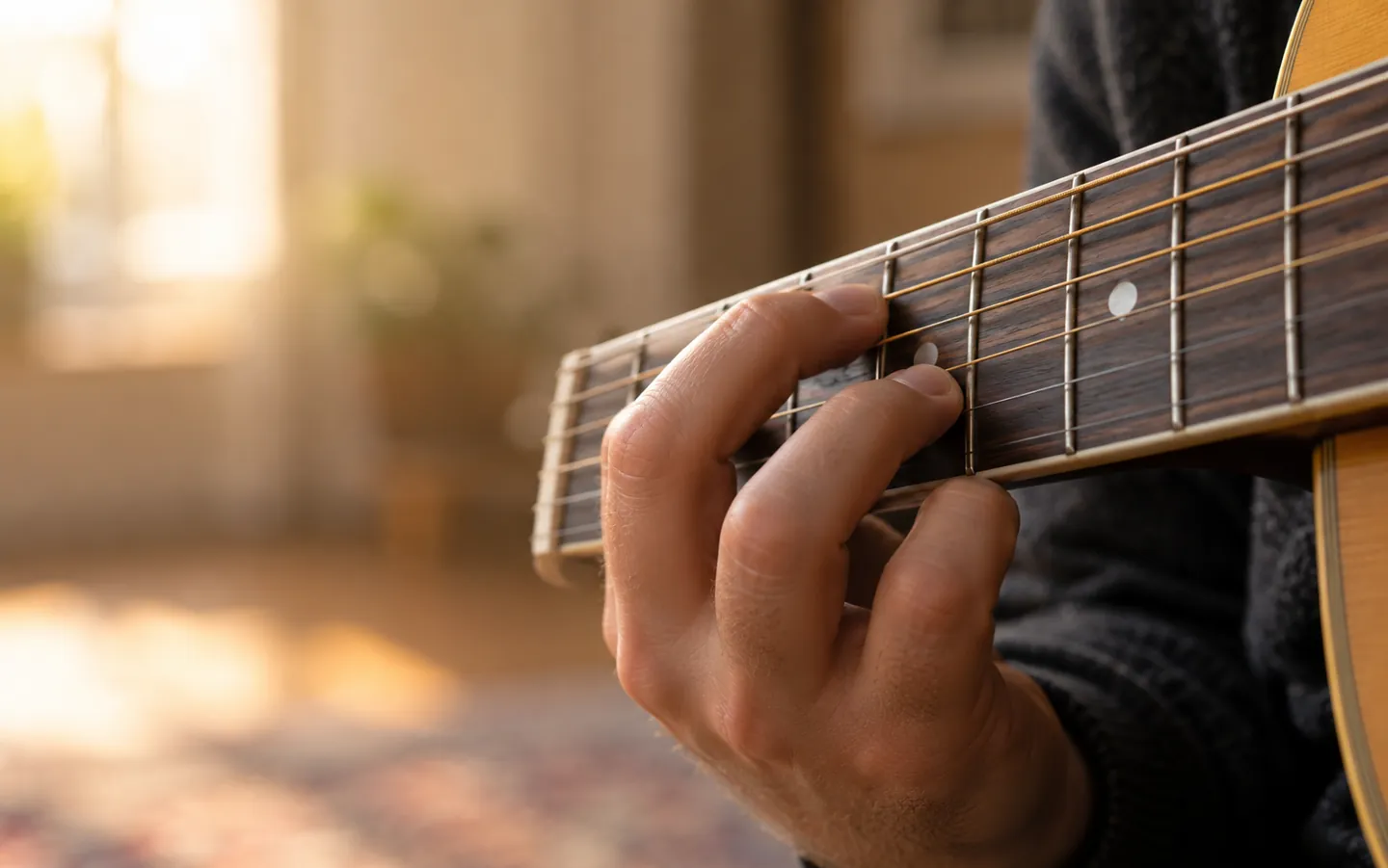
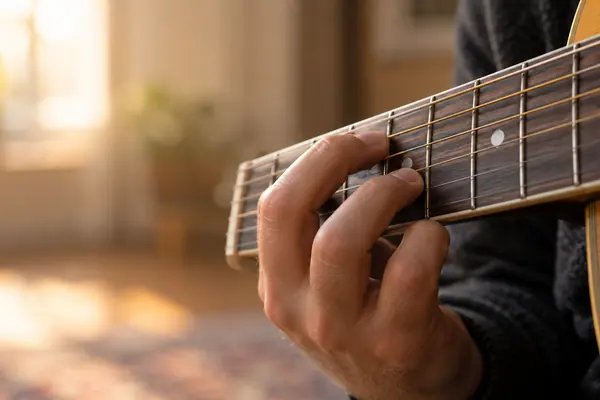
0 = OPEN no finger on the string
THE SHORT ANSWER
Tab is a picture of the neck.
Read it like a guitarist looking down at the strings.
READING IT
Guitar tab has six lines, one for each string, with the high E string at the top. A number is the fret to press; 0 means an open string.
Decode a tabHISTORY
Fifteenth- and sixteenth-century lutenists used Italian, French and German tablature. Most drew the strings as lines and marked frets with numbers or letters.
Lute tablatureLIMITS
Plain tab usually does not show rhythm. It works best when you already know how the music sounds, which is why some publishers print it alongside standard notation.
How to use itA QUICK TAB CHECK
Pick something you might see in a tab. The bar shows how much plain tab tells you about it.
Based on Berklee Online's guide to guitar notation and the Music Encoding Initiative's guidelines for string tablature.
TWO NUMBERS WORTH KNOWING
One figure on the old tablature systems,
one on a single surviving lute book.
3 systems
Kinds of lute tablature in the 1400s and 1500s
Italian, French and German lute tablature were all in use in the fifteenth and sixteenth centuries, the German one being the oldest. A 1529 critic joked its inventors must have been drunk.
LUTE TABLATURE · UC IRVINE
≈ 320 pieces
Pieces in one early 1600s lute book
A manuscript held by the University of Edinburgh contains some 320 pieces of Italian and French lute music written in French tablature, 89 of them found in no other source.
ONE MANUSCRIPT · EDINBURGH
German lute tablature was the odd one out: it had no lines, and gave each string and fret its own symbol.
FOUR WAYS TO READ TAB
Tab is a fast way in, especially for beginners. These habits help with the parts it leaves out.
Look at the left edge. If open-string notes are written there, retune before you play.
The top line is the thinnest, highest string, as if you were looking down at the guitar while playing.
Plain tab rarely shows rhythm, so learn the tune by ear and use the tab to find where the notes sit.
Many teachers value standard notation for working with other musicians. Some publishers print tab and notation together.

LUTE TABLATURE
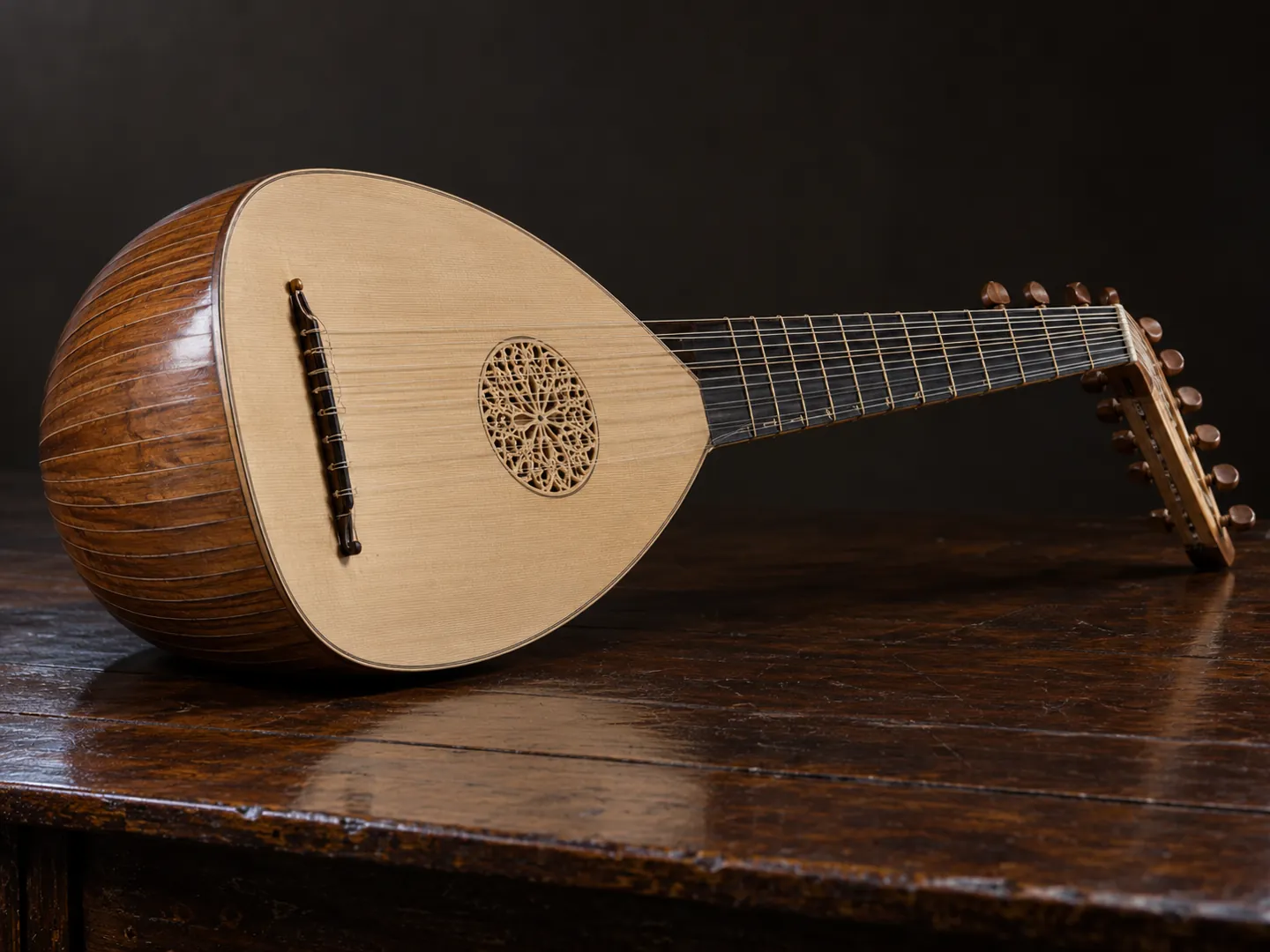
Renaissance lute tablature drew the lute's courses as horizontal lines and marked each fret with a numeral or a letter, each step one semitone. In French tablature the letter 'a' meant an open string, so a 'b' on the highest line meant the first fret of the top string.
Because tab records where to stop the strings rather than pitches, a player also needs the tuning. The Music Encoding Initiative uses the old word 'course' for a group of strings played as one, so a 12-string guitar counts as a 6-course instrument and reads the same tab.
Questions
In standard guitar tab the bottom line is the low E string and the top line is the high E string, the same orientation as a guitarist looking down at the instrument.
A 0 means play the string open, without pressing a fret. Other numbers give the fret to press.
Usually not. Berklee Online notes that plain tab doesn't usually include rhythm, although some versions add rhythm stems coming out of the numbers.
Yes. Its strings are paired into six courses tuned like a 6-string guitar, so both can play from the same tablature.
No. Tablature dates back to the Renaissance, and versions exist for lute, bass guitar, banjo and similar instruments.
Sources
ABOUT THIS NAME
doodletabs.com is part of the DoodleSale portfolio. It isn't in an auction right now, but you can ask about leasing it.